

Rising gold prices reshape engagement ring market as material value dynamics shift
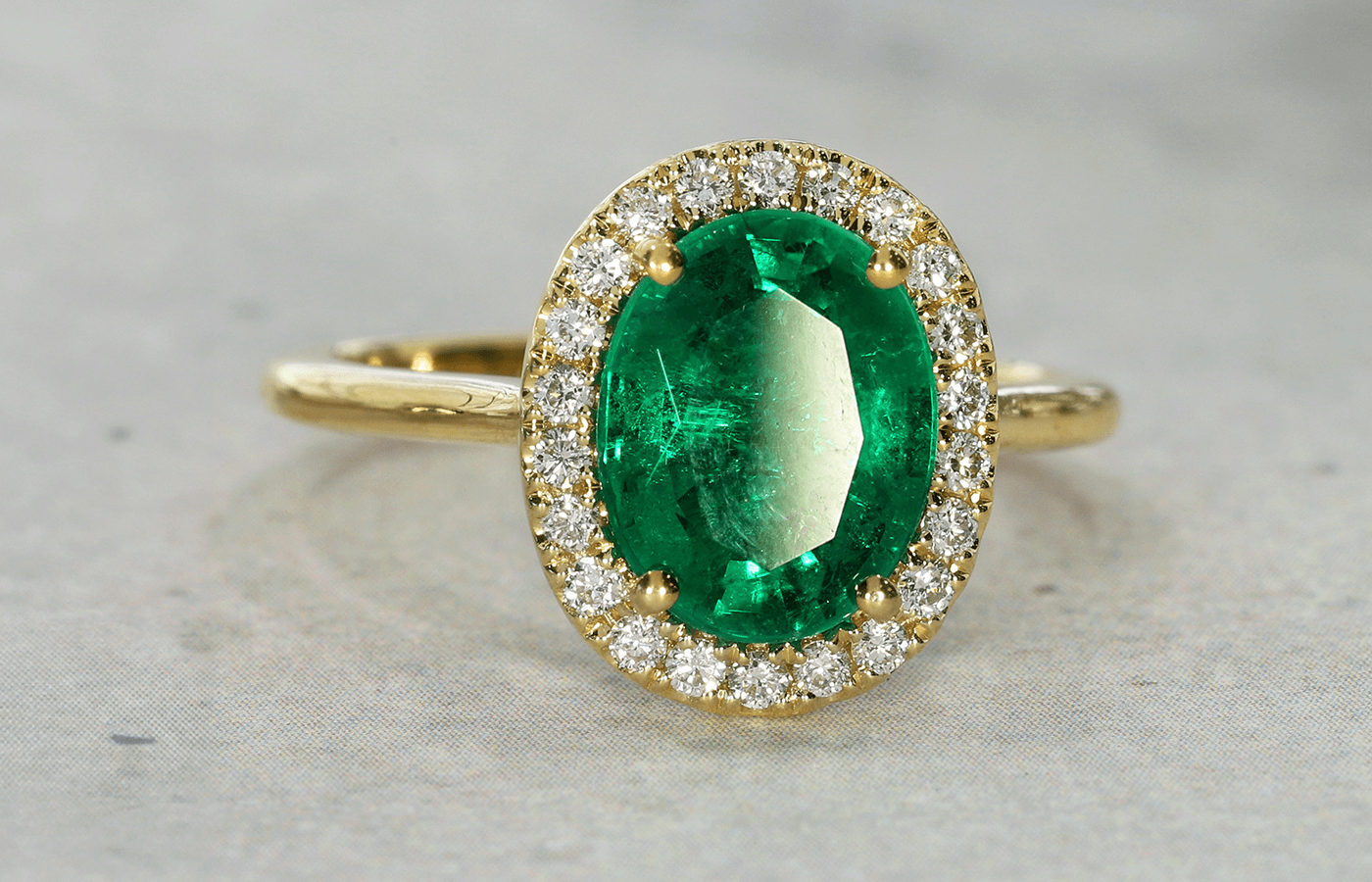
77 Diamonds
77 Diamonds analysed global gold demand and price data* and discovered that total global demand for gold fell by -6% in Q1 2026. Despite this quarterly dip, overall demand remains resilient, sitting 2.1% higher year-on-year compared to Q1 2025.
However, the jewellery manufacturing sector has experienced a far sharper contraction, with demand dropping by -23.5% over the quarter and -22.9% compared to the same period last year.
One of the most significant factors behind this decline is the rapid increase in gold prices. Prices rose by 16.2% over the quarter and are now 59.3% higher than Q1 2025, creating substantial cost pressures for jewellery manufacturers and, ultimately, consumers. This surge is likely to have made newly produced gold jewellery less accessible, dampening demand across the sector.
According to 77 Diamonds, however, the impact of rising gold prices goes beyond short-term demand fluctuations and is driving a fundamental shift in how engagement rings are valued.
Co-founder of 77 Diamonds, Tobias Kormind, explained, “Historically, the majority of an engagement ring’s value has been concentrated in the diamond itself, with approximately 80% of the cost attributed to the stone and 20% to the setting. Today, that balance is rapidly changing. The combined effect of significantly higher gold prices and the increasing availability of lab-grown diamonds has, in some cases, reversed this dynamic, placing greater cost emphasis on the ring setting rather than the centre stone.
As such, rising gold prices are not just impacting demand, they’re reshaping the structure of the engagement ring market. Where the diamond traditionally represented the majority of a ring’s value, we’re now seeing the setting play a much larger role in overall cost. This is prompting customers to think more carefully about how they allocate their budget.
Customers are becoming far more informed and strategic. Rather than simply absorbing price increases, they’re exploring different combinations of materials and design to achieve the best overall value. That’s where guidance and expertise become increasingly important.”
As a result, consumers are becoming more flexible in their choice of materials. 77 Diamonds reports growing interest in alternative metals such as platinum, which has historically been more expensive than gold but is now comparatively more accessible, as well as palladium, a lighter metal that offers a different balance of durability and cost.
This shift is giving buyers new opportunities to optimise their spending, whether by selecting
*Gold price and demand data sourced from gold.org
James Lockett
ProperPR
+ +44 7584 248960
email us here
Legal Disclaimer:
EIN Presswire provides this news content "as is" without warranty of any kind. We do not accept any responsibility or liability for the accuracy, content, images, videos, licenses, completeness, legality, or reliability of the information contained in this article. If you have any complaints or copyright issues related to this article, kindly contact the author above.
